Alien Invasyndrome Atlas and the Larva — Lore and Story Hub
Ship context, larva fantasy, and crew roles as systems
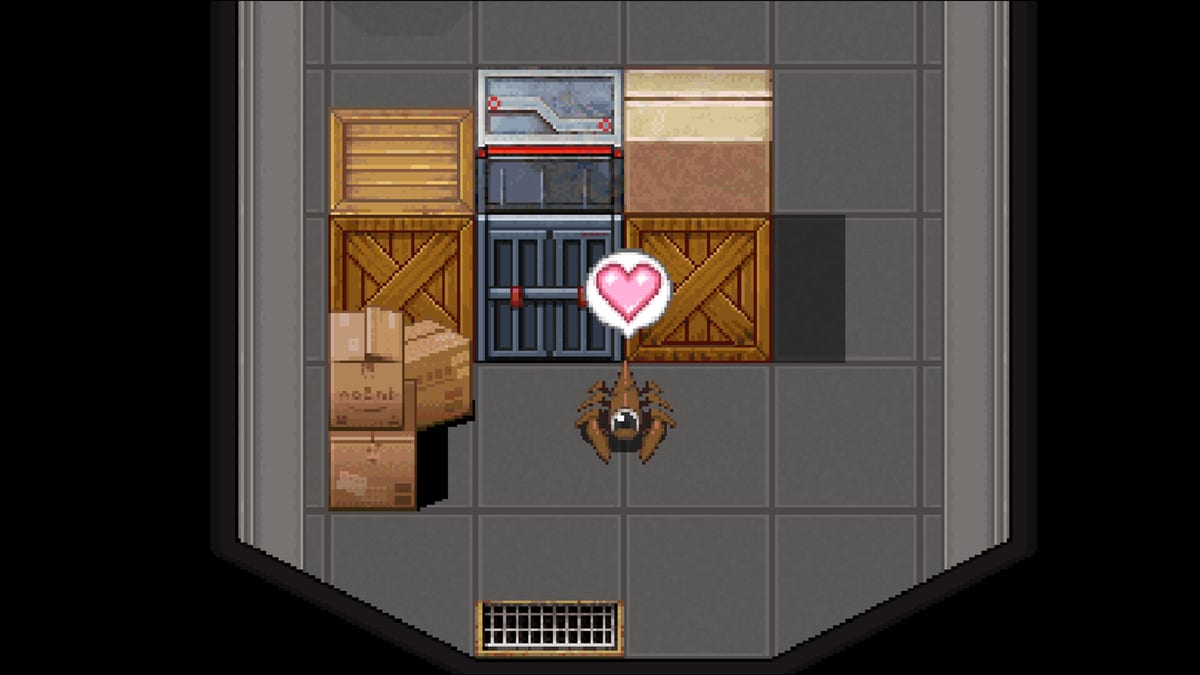
What this hub covers
Alien Invasyndrome tells a small story inside a tight Demo slice: an exploration vessel, a parasite that should not be there, and the crew that does not know what is happening yet. This hub collects the lore mechanically — what is confirmed, what is implied, and what the wiki will not invent. We describe systems, settings, and pacing beats. We do not catalog adult scenes; the game is 18+, but the wiki stays structural.
Developer Mozu Field / 百舌鳥, publisher Shady Corner Games. Wishlist Steam app 4603980. Full release TBA. Demo content checkpoint: Demo 1.0 hotfix (May 5, 2026) — verify your install on Changelog. Cast pages: Crew, Doctor, Security. Hub: Characters Hub.
Confirmed lore anchors (from the Demo and Steam listing)
These facts are publicly stated on the Steam listing or appear consistently across the Demo slice. Treat them as canon.
- Setting: exploration vessel Atlas, depicted across Top, Middle, and Lower decks.
- Protagonist: a weak alien larva, parasite archetype, infiltrating the ship.
- Antagonists: Atlas crew (Kitchen, Cafeteria, Laboratory, deck corridors), Security personnel, and the Clinic doctor encounter.
- Mechanic spine: sneak → evade → wait → strike → capture / breed → nest → evolve.
- Tone: adult (18+), stealth-action, scenario-driven.
- Languages: English and Japanese.
Everything else is implied or planned. We mark each item below so you do not mistake aspiration for canon.
Implied lore (consistent across Demo moments)
- Atlas is mid-mission. The vessel has routine operations: Kitchen cooking, Cafeteria traffic, Clinic hours, Security shifts. The larva is the disruption, not the cause.
- Crew does not know yet. Sight cone behavior, alarm chains, and the Doctor encounter all assume the larva is small and below detection threshold. This is why softlock and the ~1 minute detection tax matter: nobody knows what to look for.
- Doctor event is a soft tutorial on attention traps. The medical wing is where the larva first meets a character that could perceive it. The Doctor’s pacing and the Clinic’s softlock furniture exist to teach the detection minute before Security pressure compounds.
- Nest is the larva’s anchor. Nesting rooms feel like quiet spaces because the larva is building, not attacking. The power curve comes from preparation, not from leveling up.
- Security Room is the gate. Two branches — Route A and Route B — give the larva options; Security personnel are the first crew that operates as a coordinated unit, not a wandering patrol.
What we will not pretend to know
- A confirmed full-release plot summary. Steam lists the game as TBA. Any wiki “ending explained” claim is fiction.
- Lower deck plans as canon. The Demo teases them; the full game has not shipped them.
- Adult scene beats as lore. They exist in the Demo; the wiki will not transcribe them. Adult scene references will only appear when they gate progression (Doctor event timing, capture commit windows).
- Backstory specifics for unnamed crew. They have roles, not diaries.
- Why Atlas is named Atlas. The name fits the deep-space exploration vibe; this wiki does not invent a corporate lore reason.
Characters as a lore layer
Character pages double as lore sketches:
- Alien Larva — your identity, what it means to play a parasite.
- Crew — the institutional threat: kitchen staff, security desk, lab coats. Not villains — they are the world the larva is intruding into.
- Doctor — the first character whose pace forces the larva to plan. Clinic pacing is the first attention-trap in the Demo.
- Security — coordinated pressure; the first place where the larva’s small size stops being enough.
Story arcs (Demo scope)
The Demo slices the full Atlas story into a few beats. They are not always explicit, but they are observable:
- Boarding. You arrive weak and hidden. Atlas continues operating.
- Nest seeding. First quiet rooms let you bank progress before attention.
- Kitchen / Cafeteria beat. Routine life; the larva learns the detection minute here.
- Clinic encounter. First attention-trap. Doctor event forces a soft, deliberate pace.
- Laboratory / Security approach. Coordinated patrol pressure begins.
- Boss climax. Demo ends after the boss beat; lower decks are not in scope.
Buyer-facing framing: Demo Review, Pros and Cons.
How the Demo’s after-boss framing maps to future content
The Demo stops at the boss. The framing implies lower decks, more crew roles, and a longer arc — but those are not in the Demo. Treating them as canon is fanfiction. We collect them on Roadmap & Release Plans as directional, not as lore facts.
Common lore questions this hub answers
- Is there a story or is it pure stealth? Yes, a small one. The Demo is a vertical slice; the full arc ships later. Tone and pacing are in the Demo; plot breadth is not.
- Is there a romance or faction system? No explicit one in the Demo. Adult scenes exist but the wiki treats them as progression gates only.
- What is Atlas? An exploration vessel in the Demo’s fiction. The name and routine operations set the steampunk-tinged, deep-space tone.
- Is the larva a hero? The larva is the player character — a parasite archetype. Mechanically it is a stealth-action protagonist; narratively it is an intruder.
- Why does nobody shoot on sight? The Demo’s fiction assumes the larva is below detection threshold at game start. Sight cones, alarms, and the Doctor event are how attention escalates.
Where lore meets gameplay
The clearest way to read lore is to map beats to systems:
| Beat | System | Page |
|---|---|---|
| Boarding | Weak start, hide furniture | How to Hide |
| Nest seeding | Nest economy | How to Nest |
| Kitchen / Cafeteria | Patrol literacy | Kitchen Route, Crew |
| Clinic | Detection minute + Doctor | Clinic Doctor Route, Doctor |
| Laboratory / Security | Coordinated pressure | Security Routes, Security |
| Boss | Climax checklist | How to Beat the Boss |
What adult scenes do for lore
Adult scenes in the Demo carry pacing, not lore: Doctor event timing, capture commit windows, softlock furniture near encounter beats. They do not deliver a “lore dump.” If you are looking for a deep setting write-up, this hub is the closest the wiki comes; the game itself stays mechanical even in its adult beats.
Why we keep lore separate from “reviews”
Review pages discuss whether the Demo is worth your time. Lore pages discuss what is and is not in the fiction. The split keeps each page honest:
- Demo Review — buyer-facing read.
- Pros and Cons — pros and cons, clearly framed.
- Soundtrack — audio as an aesthetic signal.
- This hub — confirmed and implied lore.
Related pages
- Characters Hub
- Alien Larva
- Crew
- Doctor
- Security
- Atlas Overview
- Decks
- Demo Review
- Roadmap & Release Plans
Bottom line
Atlas is an exploration vessel with a routine crew; the larva is a parasite intruder below detection threshold; the Demo is a vertical slice teaching stealth, nest, capture, Doctor event, and Security gating. That is the lore. Everything else — Lower decks, full arc, scene beats — is either planned or implied, not canon. We will keep updating this hub as Steam pushes lore-relevant updates and as the Demo’s framing shifts.
Frequently Asked Questions
Quick answers to common Alien Invasyndrome questions.
Is there a story in Alien Invasyndrome?
Yes — a small one. Atlas is the exploration vessel; the larva is an intruder; the crew is the institutional threat. The Demo teaches the beats; the full arc is TBA. See Lore & Story.
What is Atlas?
An exploration vessel in the Demo's fiction. Atlas has Top, Middle, and Lower decks and a routine crew. Map context: Atlas Overview and Decks.
Is there an ending explained?
No. The full release is TBA; the Demo stops at the boss. See Demo Ending and Roadmap & Release Plans.
Do character pages tell the lore?
Does the wiki describe adult scene beats as lore?
No. Scenes exist in the Demo; the wiki only references them when they gate progression (Doctor event timing, capture commit windows). The lore is structural, not narrative.